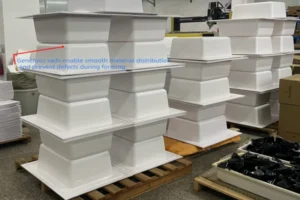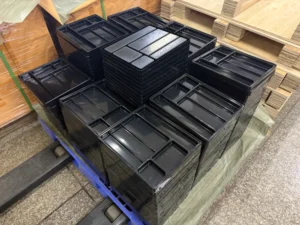
Why is Vacuum Forming The Most Efficient Way to Make Large Plastic Parts?
Making large plastic parts1 can drain your budget and timeline faster than you think. Traditional methods like injection molding2 demand huge upfront costs and months of waiting. You need a solution that delivers quality without the financial strain.
Vacuum forming3 emerges as the most efficient manufacturing method for large plastic parts because it reduces tooling costs by up to 90% compared to injection molding while cutting development time from months to just 1-2 weeks.
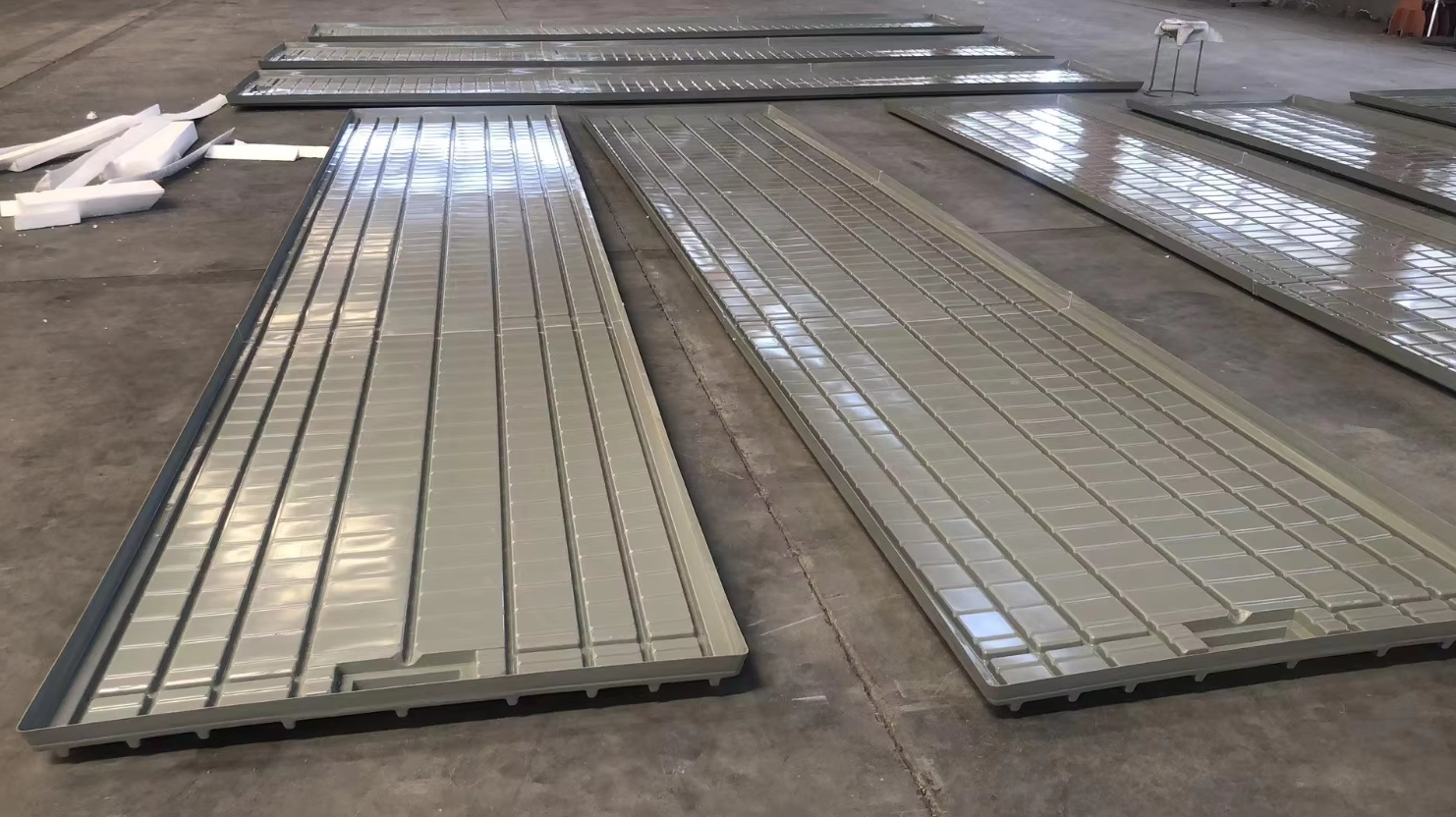
After 15 years in the thermoforming industry, I've seen countless manufacturers struggle with the same challenge. They need large plastic components but can't justify the massive investment traditional methods require. Let me share why vacuum forming changed everything for our clients.
How Are Large Plastic Parts Actually Manufactured?
Traditional manufacturing creates a costly nightmare for most businesses. Injection molding dominates the market, but it comes with serious drawbacks. The tooling costs alone can reach $100,000 or more for large parts.
Large plastic parts are manufactured through several methods including injection molding, rotational molding4, and vacuum forming, with vacuum forming offering the most cost-effective solution5 for low to medium volume production runs.
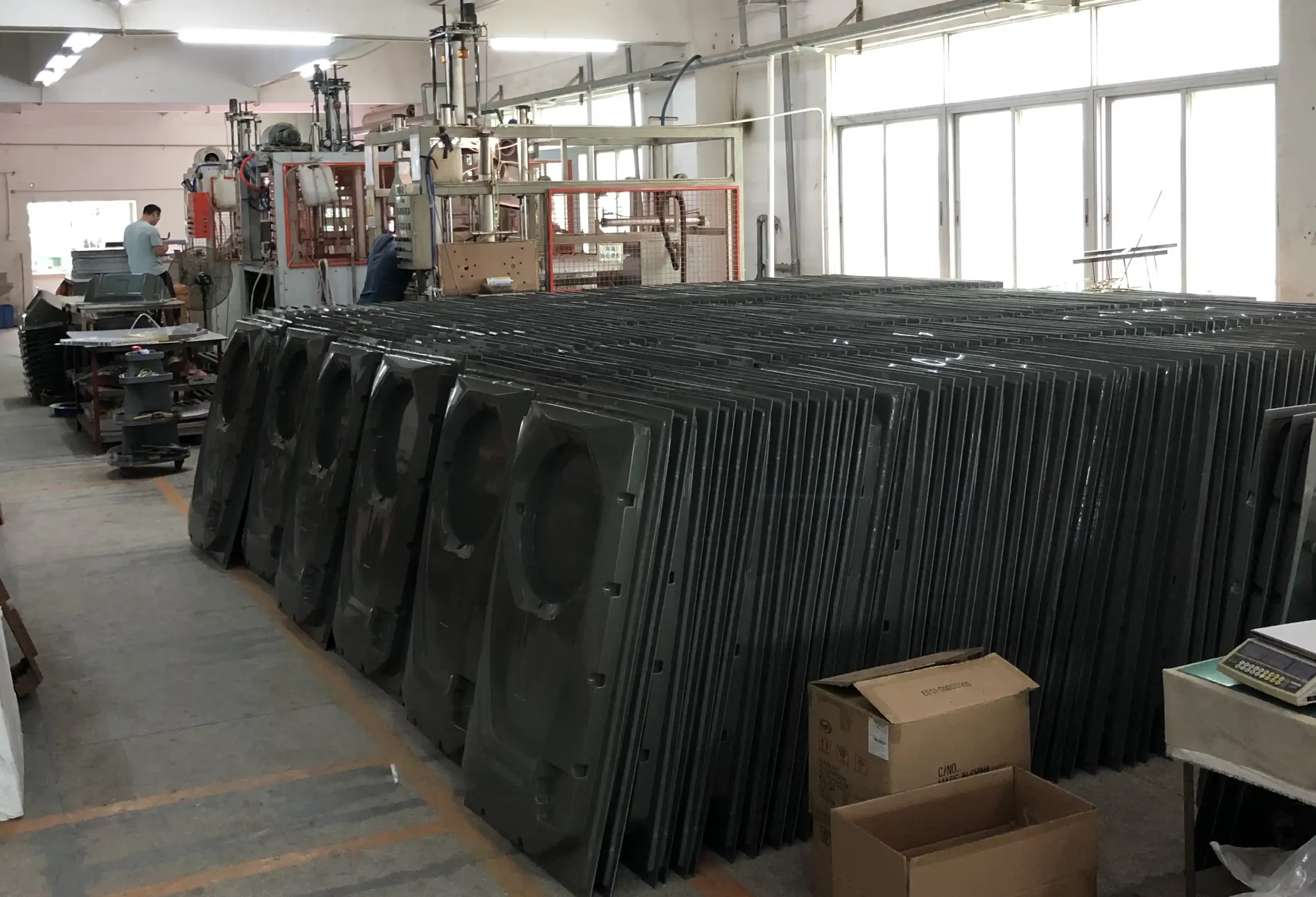
The manufacturing landscape offers three main approaches for large plastic parts. Injection molding uses high-pressure systems to force molten plastic into complex molds. This method works great for high volumes but demands massive upfront investment. The tooling alone can cost 10 times more than vacuum forming alternatives.
Rotational molding provides another option. It heats plastic powder inside a rotating mold until it melts and coats the interior surface. This process works well for hollow parts like tanks and containers. However, it offers limited design flexibility and slower cycle times.
Vacuum forming3 takes a different approach entirely. It heats plastic sheets until they become pliable, then uses vacuum pressure to pull the material against a mold surface. This process requires much simpler tooling and delivers faster turnaround times.
| Method | Tooling Cost | Lead Time | Volume Suitability |
|---|---|---|---|
| Injection Molding | $50,000-$150,000 | 8-16 weeks | High volume (>10,000) |
| Rotational Molding | $15,000-$40,000 | 6-12 weeks | Medium volume (1,000-5,000) |
| Vacuum Forming | $500-$5,000 | 2-3 weeks | Low-Medium volume (100-10,000) |
What Makes Vacuum Forming So Cost-Effective for Large Parts?
Cost efficiency stems from the fundamental simplicity of vacuum forming tooling. While injection molding requires precision-machined steel molds with complex cooling systems, vacuum forming uses much simpler tools. We often machine them from aluminum or even high-density materials.
Vacuum forming reduces tooling costs to less than 10% of injection molding expenses because it uses simpler molds without complex internal mechanisms, cooling channels, or high-pressure requirements.
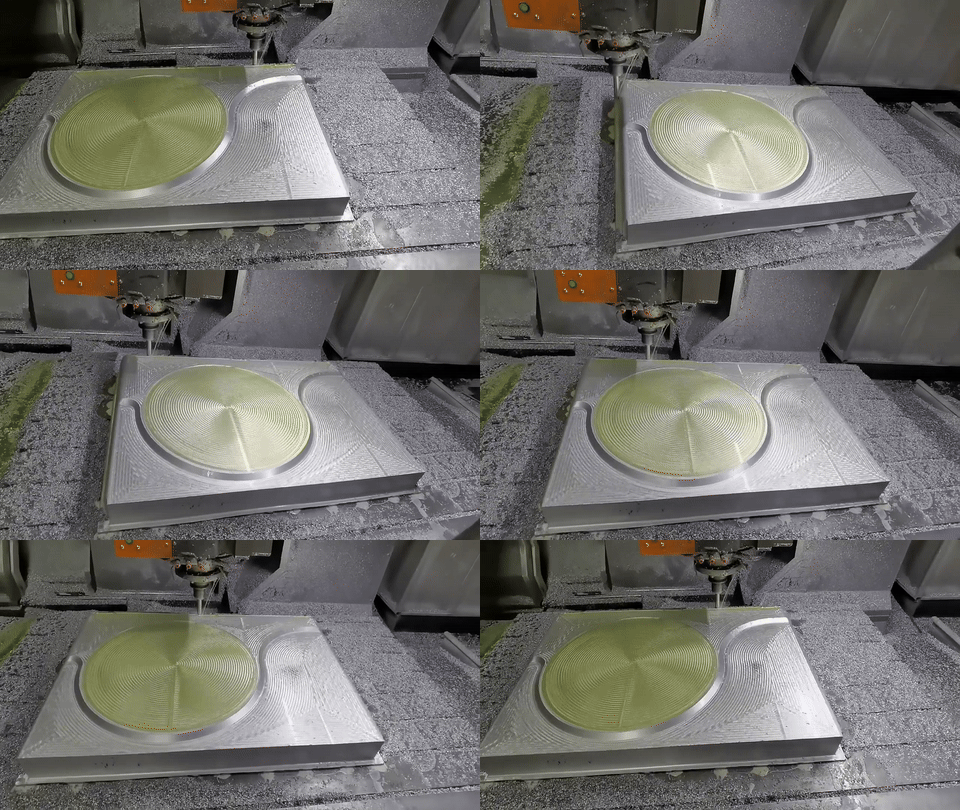
The tooling difference creates dramatic cost savings. In my experience, a vacuum forming tool that costs $8,000 would require $80,000 or more in injection molding. This happens because vacuum forming tools don't need the complex internal structures that injection molds require.
Vacuum forming tools operate under much lower pressure conditions. They don't need the robust construction that withstands thousands of PSI. The molds can use less expensive materials and simpler construction methods. This translates directly into lower costs for our clients.
Development time shrinks dramatically with vacuum forming. While injection mold design and manufacturing takes 4-8 weeks, we typically complete vacuum forming tools in just 1-2 weeks. This speed comes from the simpler design requirements and manufacturing processes involved.
The material efficiency6 also contributes to cost savings. Vacuum forming uses sheet materials that minimize waste compared to the runner systems in injection molding. We can often nest multiple parts on a single sheet, maximizing material utilization.
Why Do Development Cycles Matter for Large Plastic Parts?
Time-to-market pressure forces manufacturers to make tough decisions. Every week of delay costs money and market opportunities. Traditional methods create bottlenecks that slow entire product development cycles7.
Development cycles matter because extended tooling lead times delay product launches by months, costing companies market share and revenue while competitors gain advantages with faster time-to-market strategies.
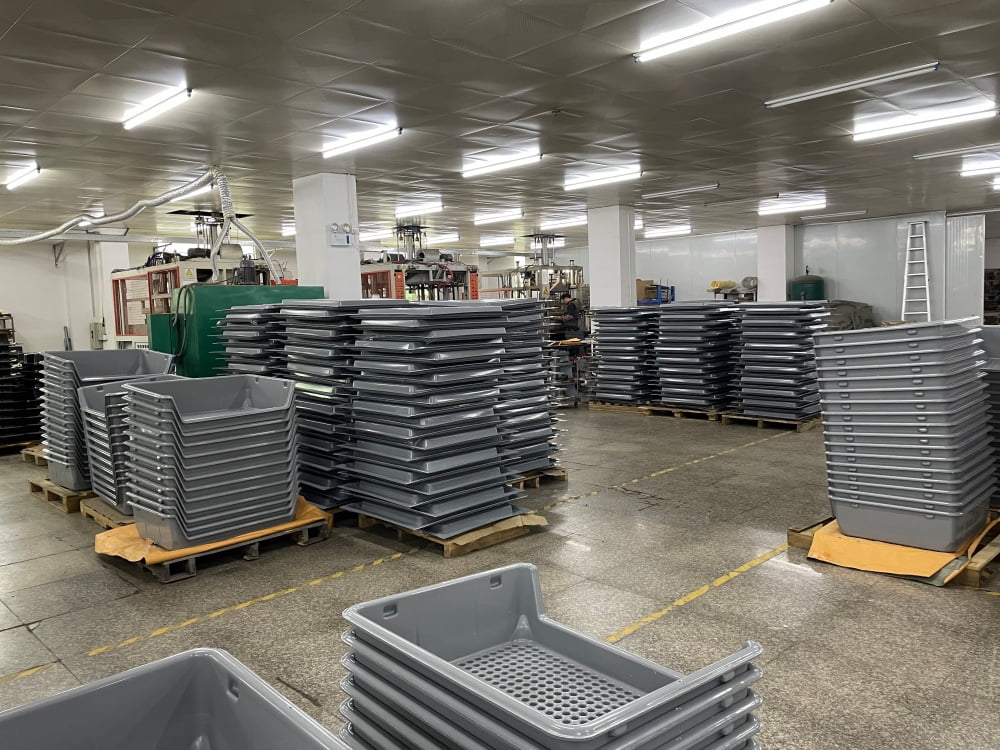
Speed becomes even more critical for large plastic parts because these components often represent major system elements. When a large housing or panel delays production, it affects entire assembly lines. I've seen companies lose major contracts because they couldn't meet delivery deadlines.
Vacuum forming's 2-3 week tooling cycle enables rapid prototyping8 and testing. Companies can iterate designs quickly, test market response, and refine products before competitors even complete their tooling. This agility provides significant competitive advantages9.
The shortened development cycle also reduces financial risk. Companies can test market demand with smaller initial investments. If a product doesn't perform as expected, they haven't committed massive resources to expensive tooling.
Quality control becomes easier with faster cycles too. We can produce samples quickly, identify any issues, and make corrections without major delays. This iterative approach often results in better final products than longer, more rigid development processes.
Material Selection Flexibility
Vacuum forming works with a wide range of thermoplastic materials10. We regularly process ABS, polycarbonate, PETG, and specialty materials depending on application requirements. This flexibility lets us match material properties to specific performance needs without tooling changes.
Conclusion
Vacuum forming delivers the most efficient path to large plastic part manufacturing through dramatically reduced tooling costs and 2-3 week development cycles7 that keep projects moving forward profitably.
Learn about the various methods for manufacturing large plastic parts and why vacuum forming stands out. ↩
Discover the limitations of injection molding and why vacuum forming may be a better choice for many manufacturers. ↩
Explore the advantages of vacuum forming, including cost savings and efficiency in producing large plastic parts. ↩
Learn about rotational molding and how it stacks up against vacuum forming in terms of efficiency and cost. ↩
Explore the reasons behind vacuum forming's cost-effectiveness, especially for low to medium volume production. ↩
Discover how vacuum forming minimizes waste and maximizes material utilization in manufacturing. ↩
Understand the significance of development cycles and how vacuum forming can shorten them for better outcomes. ↩
Learn how vacuum forming enables quick prototyping, allowing for faster design iterations and testing. ↩
Discover the competitive edge that vacuum forming provides in the fast-paced manufacturing landscape. ↩
Explore the range of thermoplastic materials suitable for vacuum forming and their applications. ↩