If you've ever wondered about the difference between vacuum forming and thermoforming, you're not alone! These processes sound similar but serve different purposes.
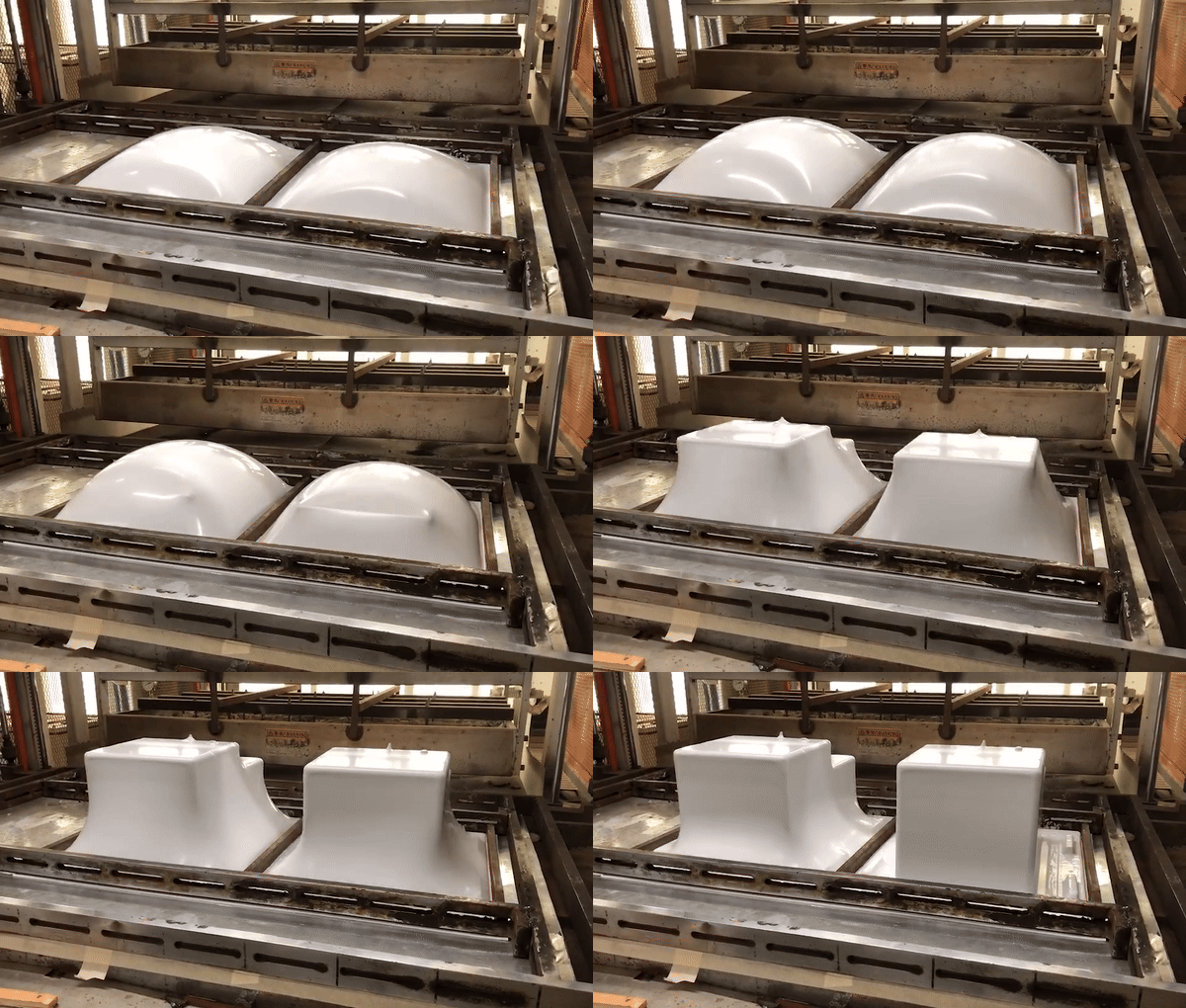
Vacuum forming is actually one type of thermoforming - think of thermoforming as the family name and vacuum forming as one specific member of that family.
Understanding these differences will help you choose the right manufacturing method and avoid costly mistakes in your production planning.
What Makes These Processes Actually Different in Practice?
The confusion comes from people using these terms interchangeably, but they work quite differently under the hood.
Thermoforming includes vacuum forming1, pressure forming2, and twin sheet forming3 - each using different force methods to shape heated plastic sheets into products.
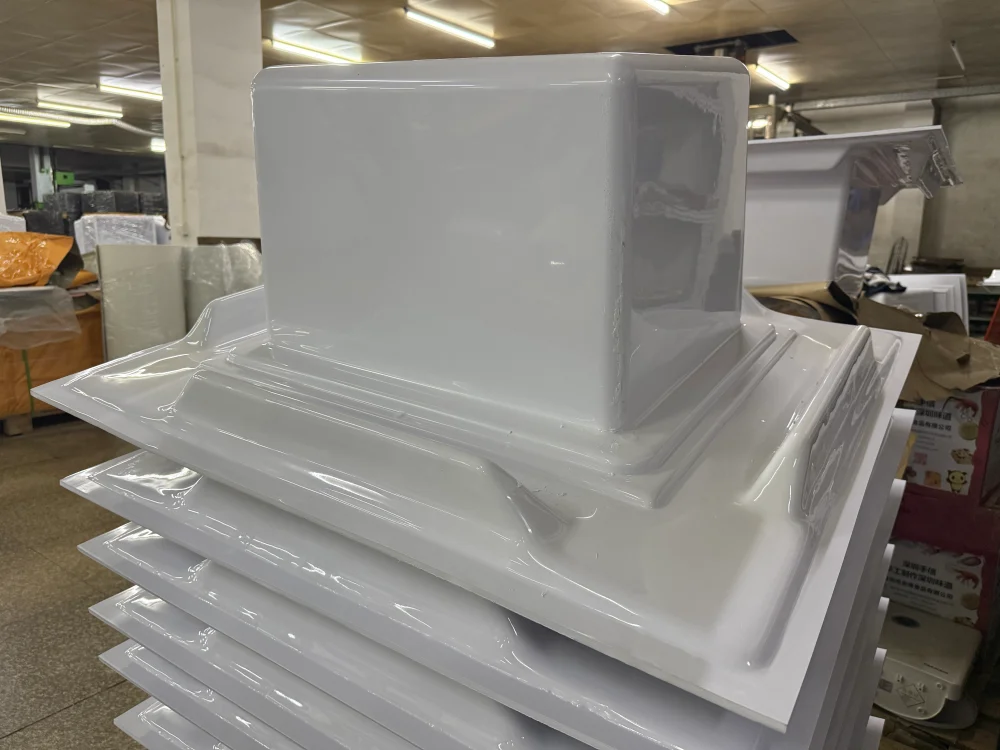
Think of thermoforming4 like cooking - it's the general method of preparing food. Vacuum forming is like one specific cooking technique, similar to how grilling is one way to cook but not the only way.
Here's how they actually work:
Vacuum Forming Process:
- Clamp plastic sheet into a frame
- Heat until soft and pliable (like warming cheese)
- Position over a mold
- Use vacuum suction to pull plastic against mold
- Cool down to set the shape
- Remove and trim excess material
Advanced Thermoforming Methods: These use additional techniques like:
- Higher temperatures for thick materials
- Pressure systems pushing plastic into molds
- Complex heating with zone control
- Advanced molds with heating elements
The key difference is control and precision. Vacuum forming uses simple suction, while other thermoforming methods can combine vacuum with pressure, use sophisticated heating patterns, and employ automated systems for consistent results.
| Process Feature | Vacuum Forming | Advanced Thermoforming |
|---|---|---|
| Pressure Method | Vacuum suction only | Vacuum + air pressure |
| Temperature Range | 160-200°C | 180-250°C |
| Cycle Time | 2-10 minutes | 30 seconds - 3 minutes |
| Detail Quality | Good for simple shapes | Excellent fine details |
| Material Thickness | 0.5-6mm | 0.5-12mm+ |
| Setup Complexity | Manual to semi-auto | Fully automated |
Metal molds provide better heat transfer and surface finish than cheaper alternatives. Aluminum tooling costs more initially but delivers superior part quality and longer tool life, especially important for production runs exceeding 1,000 pieces.
Which Process Should You Choose for Your Manufacturing Needs?
Your choice depends on product complexity, volume requirements, and budget constraints - not just technical capabilities.
Choose vacuum forming1 for prototypes, simple shapes, and low volumes; choose advanced thermoforming4 for complex details, high volumes, and premium surface quality.
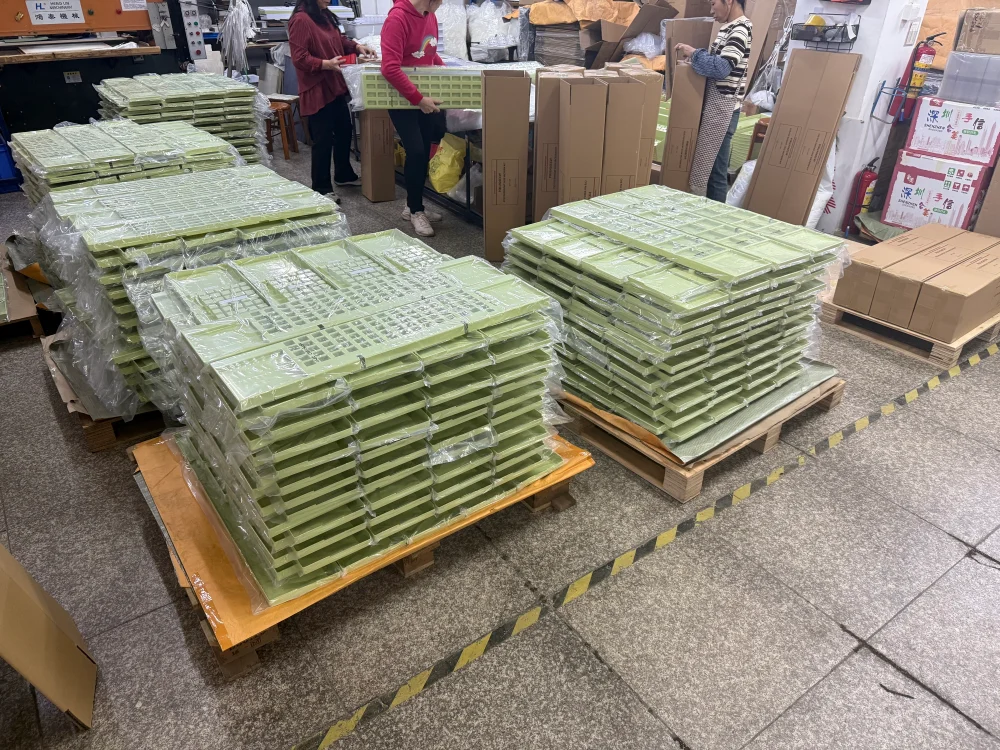
The decision isn't always obvious. Many successful products start with vacuum forming for development and market testing, then transition to advanced thermoforming4 for mass production.
Cost Analysis Breakdown:
Vacuum forming shines in initial development phases. Tool costs range from $500-$5,000, making it perfect for testing multiple design iterations. You can literally have a new prototype mold made in days rather than weeks.
Advanced thermoforming requires significant upfront investment - tooling costs from $10,000-$100,000+ - but delivers lower per-part costs at high volumes. The break-even point typically occurs around 5,000-10,000 parts depending on complexity.
Application Suitability:
Food packaging almost always uses vacuum forming1 because shapes are simple and cost sensitivity is high. Why spend $50,000 on tooling for a disposable yogurt cup when $2,000 vacuum forming tools work perfectly?
Automotive applications demand advanced thermoforming because parts need precise fits, complex geometries, and consistent quality across hundreds of thousands of units. A car dashboard component might have dozens of mounting points, textured surfaces, and integrated features impossible with simple vacuum forming.
Medical devices present interesting challenges. Simple packaging uses vacuum forming, but device housings requiring biocompatibility, precise tolerances, and complex internal features need advanced thermoforming capabilities.
| Application Type | Best Process | Key Reasons |
|---|---|---|
| Food Packaging | Vacuum Forming | Simple shapes, cost-sensitive |
| Medical Devices | Advanced Thermoforming | Precision, complex geometry |
| Automotive Parts | Advanced Thermoforming | High volumes, tight tolerances |
| Prototypes | Vacuum Forming | Quick, cheap testing |
| Electronics Housing | Advanced Thermoforming | Complex shapes, heat resistance |
| Aircraft Interiors | Advanced Thermoforming | Weight critical, fire resistant |
| Retail Displays | Vacuum Forming | Cost-effective, frequent changes |
Material selection also influences process choice. Basic materials like polystyrene and PVC work well with vacuum forming1. Engineering plastics like ABS, polycarbonate, and specialty compounds often require the precise temperature and pressure control that advanced thermoforming4 provides.
What Real-World Factors Should Drive Your Process Selection?
Beyond technical specifications, practical business considerations often determine the best manufacturing approach for your specific situation.
Start with vacuum forming for product development and market validation, then upgrade to advanced thermoforming only when volume and complexity justify the investment.
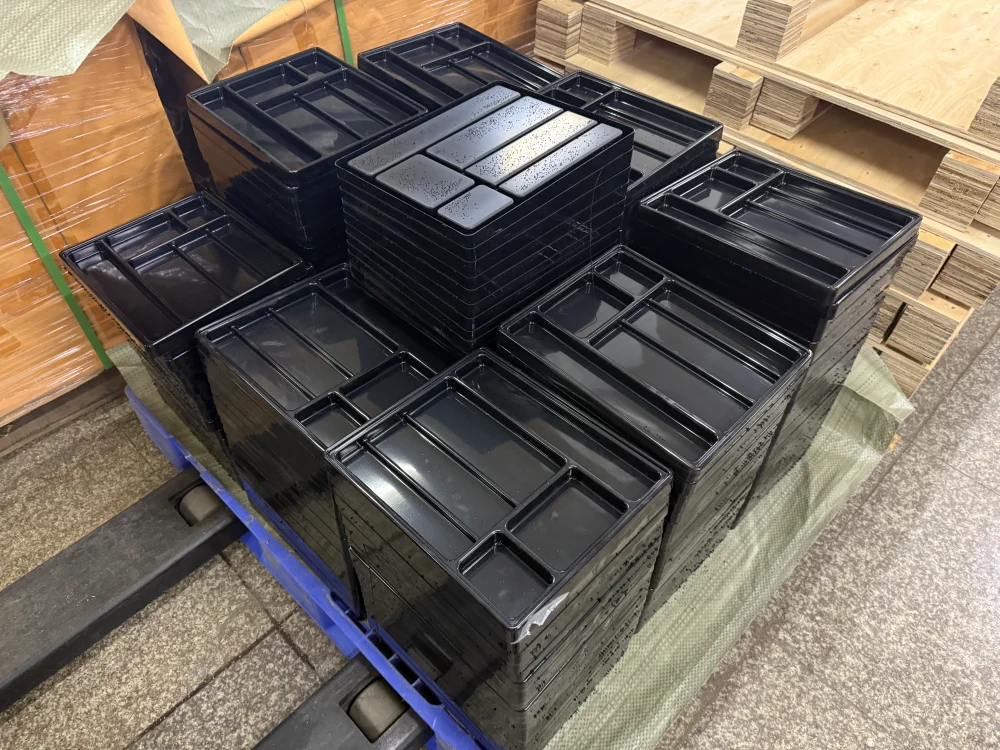
Time-to-market pressure frequently favors vacuum forming initially. You can have functional prototypes in your hands within weeks rather than months. This speed advantage helps validate designs, test markets, and secure funding before committing to expensive production tooling.
Many successful companies follow a deliberate progression: prototype with vacuum forming, pilot production with improved vacuum forming tools, then transition to advanced thermoforming for full-scale manufacturing. This staged approach reduces risk while building market confidence.
Geographic location matters more than people realize. Vacuum forming equipment and expertise are widely available, making it accessible almost anywhere. Advanced thermoforming requires specialized facilities and skilled technicians, limiting geographic options and potentially increasing logistics costs.
Design flexibility represents another crucial factor. Vacuum forming allows easy design modifications - you can literally hand-carve changes into prototype molds. Advanced thermoforming tools require formal engineering changes and significant lead times for modifications.
Quality requirements must align with process capabilities. If your application accepts minor thickness variations and simple surface textures, vacuum forming provides excellent value. Applications demanding uniform wall thickness, fine surface detail, and precise dimensional control need advanced thermoforming.
Volume forecasting accuracy affects process selection significantly. Vacuum forming handles volume uncertainty gracefully - you can easily scale up or down. Advanced thermoforming requires confident volume projections to justify tooling investments and optimize production efficiency.
The industry trend shows increasing sophistication in both processes. Modern vacuum forming incorporates better heating control and automation features. Meanwhile, advanced thermoforming4 becomes more accessible through equipment leasing and contract manufacturing options.
My professional recommendation: Don't over-engineer your initial process selection. Many companies waste resources jumping straight to expensive solutions when simpler approaches would work perfectly. Start simple, learn your market, then upgrade based on real data rather than theoretical requirements.
Conclusion
Choose vacuum forming1 for flexibility and low initial investment, advance to sophisticated thermoforming4 only when your volume and complexity requirements clearly justify the additional cost and complexity.
Explore this link to understand the vacuum forming process and its applications in manufacturing. ↩
Discover the advantages of pressure forming and how it enhances product quality in manufacturing. ↩
Find out how twin sheet forming works and its benefits in creating complex shapes. ↩
Learn about thermoforming and its various methods to make informed manufacturing decisions. ↩