Launching a new product with large plastic parts often means high costs and long waits. This puts your project at risk. What if there was a faster, more affordable way to produce them?
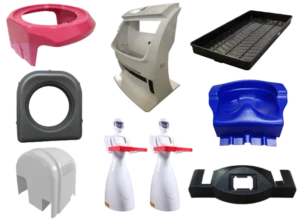
Vacuum forming1 is the ideal solution for large-scale plastic parts2, like heat pump casings. It offers dramatically lower mold costs, faster development cycles, and excellent durability, making it perfect for new projects or when you need flexibility without a huge upfront investment.

Finding the right manufacturing process for a new product is a huge decision. You have to balance cost, speed, quality, and risk. For products that need large plastic enclosures, many companies automatically think of injection molding3. But that's often a very expensive and slow path, especially for new ventures. I've seen many great ideas get stuck because of the huge initial investment required. There is a better way. Through our work, I want to show you how a different approach can completely change the game for your next big project.
How can you launch large plastic products faster and with less financial risk?
New projects with large components face a big hurdle: massive mold costs. This high upfront investment delays your launch and can drain your budget before you even have a single sale.
You can slash development costs and time by using vacuum forming. The molds are about 1/10th the cost of injection molds. Also, you can get from design to a physical sample in as little as 12 to 15 days, which speeds up your entire project.
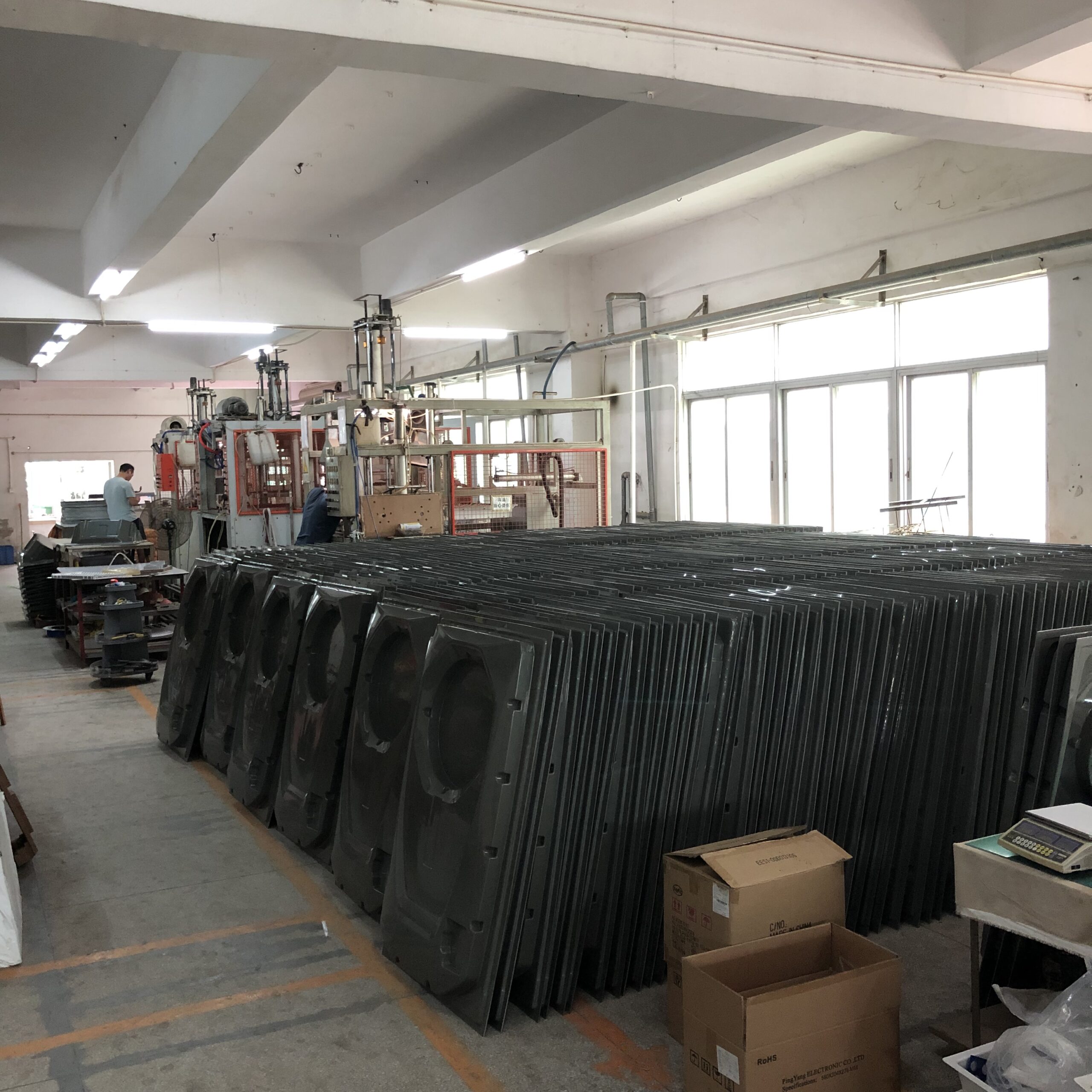
Let's break down why this is such a big deal. For over fifteen years, I've worked closely with a client who makes pool water treatment equipment. They needed to produce a wide range of large plastic housings for their heat pumps, with sizes from 500mm up to 1500mm. Injection molding was not a good option for them. The mold for just one size would have cost a fortune.
Instead, we used vacuum forming. This immediately solved their biggest problems. The cost difference is the most important factor. A simpler aluminum mold4 for vacuum forming is much cheaper to make than a complex, hardened steel injection mold. This single fact opens up so many possibilities. It lowers the barrier to entry for new products. It also allows for more design experimentation. Below is a simple table showing the key differences.
| Feature | Vacuum Forming | Injection Molding |
|---|---|---|
| Mold Cost | ~1/10th of injection | Very high |
| Development Time | 12-15 days to sample | 2-4 months to sample |
| Minimum Order (MOQ) | As low as 50 units | Thousands of units |
For my client, this meant they could afford to create a whole family of products. We've developed almost 50 different molds for them over our partnership. This flexibility was only possible because the cost and time to create each new mold were so low.
Are vacuum-formed parts durable enough for heavy-duty use?
You worry that a lower-cost process might mean lower quality. Your products, especially those used outdoors, need to withstand impact, weather, and daily wear and tear. A weak part can ruin your brand's reputation.
Yes, vacuum-formed parts are surprisingly tough. The process of heating and stretching the plastic sheet over a mold actually increases its tensile strength and impact resistance5. This makes it an excellent choice for durable applications like equipment housings.
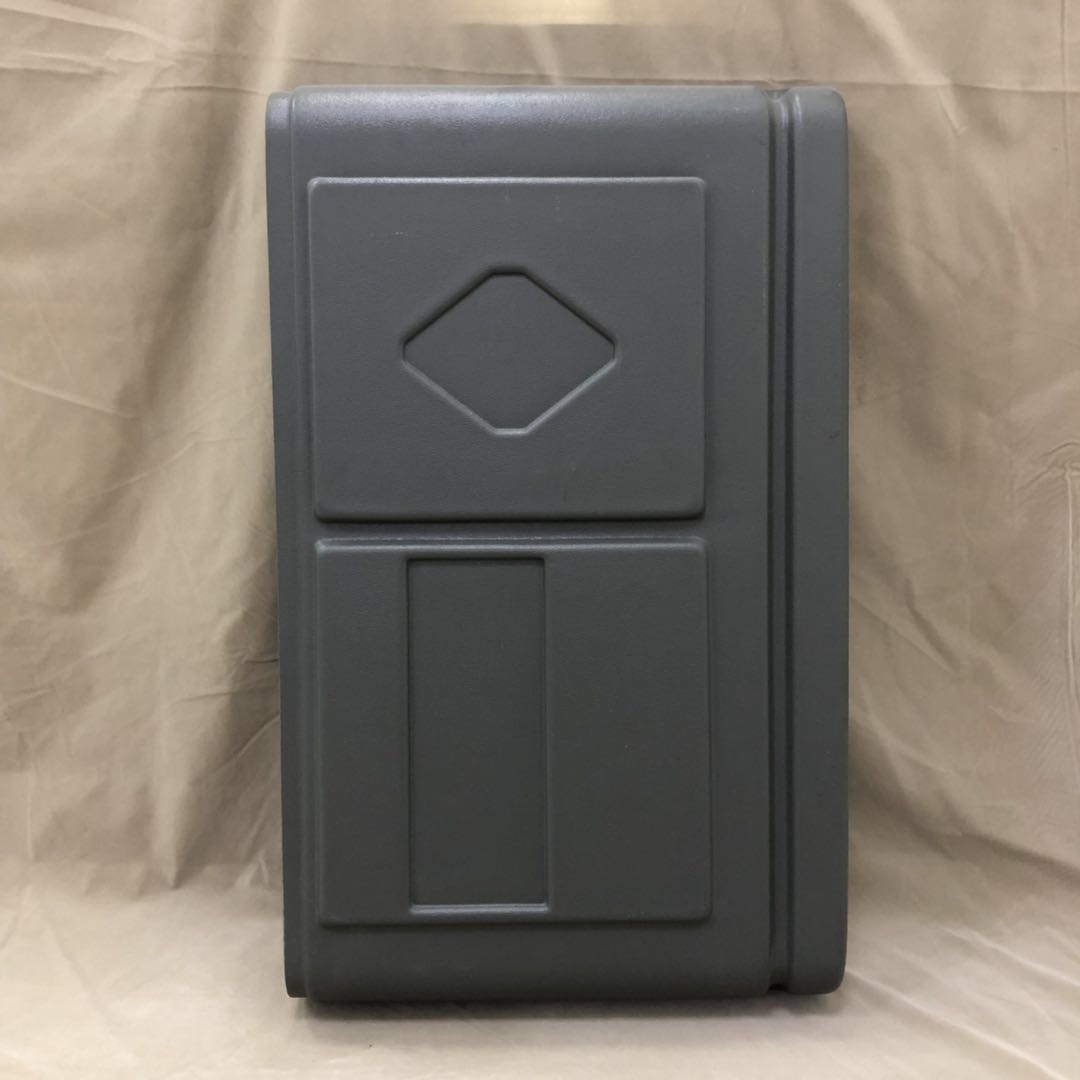
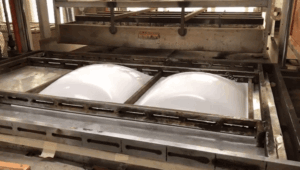
Many people mistakenly believe that injection-molded parts are always stronger. In my experience, that's not always true, especially concerning impact. The vacuum forming process starts with a solid sheet of plastic. We heat it until it's pliable, then stretch it over a mold using vacuum pressure. This stretching action helps to align the plastic's molecular structure. The result is a part that has some built-in flexibility and is very good at absorbing impacts without cracking.
In contrast, injection molding3 forces molten plastic into a cavity. Where the flows of plastic meet, they can create weak points called weld lines. These can be points of failure under stress. For the pool heat pump casings we make for our client, durability is everything. These units sit outside by a pool, exposed to direct sunlight, rain, and pool chemicals. The vacuum-formed parts we produce have proven their strength and resilience in this tough environment for years. The material itself has inherent stretch, which makes it less brittle and more resistant to shocks compared to a more rigid injection-molded part. This is a key reason why a long-term client has trusted this process for their demanding product line.
What does a successful manufacturing partnership actually look like?
Starting with a new supplier for a critical component is always a risk. You wonder if they truly understand your needs. Bad communication, missed deadlines, and poor quality can kill a project and your profits.
A true partnership is when your manufacturer becomes an extension of your team. Over 15 years, we helped our client develop nearly 50 different tools, acting as their trusted advisor6 for all their large plastic casing needs.
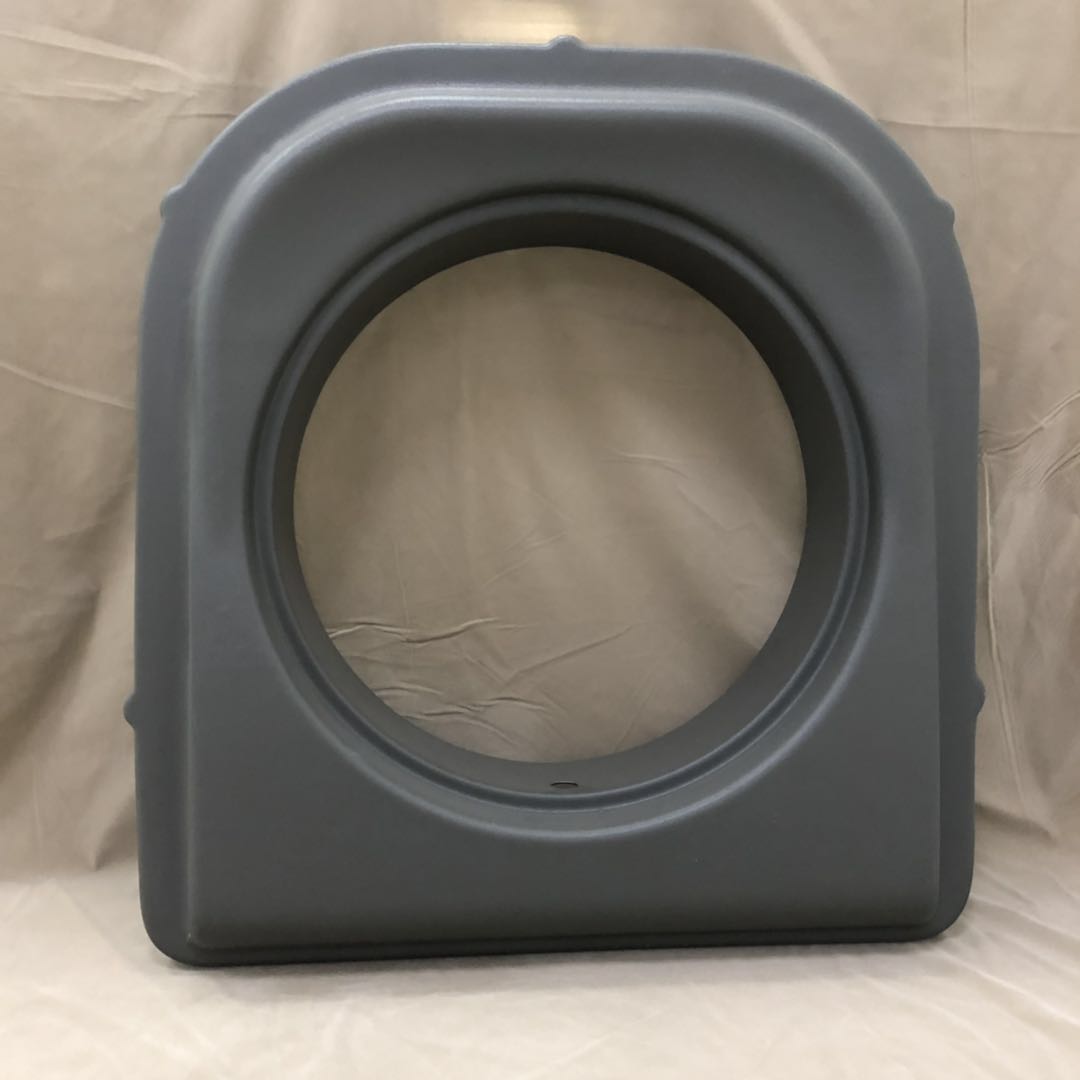
I want to share the story of this specific client because it perfectly illustrates what a strong partnership can achieve. They came to us over 15 years ago with a big challenge. They wanted to build a full range of pool heat pumps7 but were stopped by the huge cost of injection molds. They were hesitant.
I introduced them to vacuum forming. We started with just one project to build trust. We delivered the prototype quickly and the quality was exactly what they needed. The low mold cost and a small minimum order of just 50 units made it an easy decision for them to go into production. That first success was the foundation of our relationship.
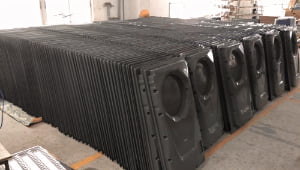
Over the years, we grew with them. As they designed new heat pump models, they would call us first. We now have a library of almost 50 molds for them, for parts ranging from 500mm to 1500mm. We are not just a supplier; we are their go-to experts for plastic enclosures8. We provide advice on materials, design adjustments for better manufacturing, and we understand their market needs. This collaborative approach is what turns a simple transaction into a long-term, strategic advantage for both of us.
Conclusion
Vacuum forming1 offers low mold costs, fast development, and strong, durable parts. This makes it a smart choice for large plastic products, enabling innovation with less risk and greater flexibility.
Explore the advantages of vacuum forming, including cost savings and faster production times, to enhance your manufacturing strategy. ↩
Learn about efficient manufacturing methods for large-scale plastic parts to optimize your production process. ↩
Explore the limitations of injection molding to understand when alternative methods like vacuum forming are better. ↩
Learn about the benefits of aluminum molds, including cost-effectiveness and versatility in production. ↩
Explore the science behind impact resistance in vacuum-formed parts to ensure product durability. ↩
Learn the qualities that make a manufacturer a trusted advisor, fostering long-term partnerships. ↩
Discover essential factors in pool heat pump manufacturing to ensure quality and performance. ↩
Find out which materials are best suited for outdoor plastic enclosures to enhance durability. ↩