How Do You Create Bulb-Shaped Light Box Signage Using Thermoforming Vacuum Forming Technology?
When it comes to vacuum forming and thermoforming, creating complex three-dimensional signage requires technical precision and years of hands-on experience. Recently, our team at Youde Plastic worked with an American client on a challenging project that demonstrates the intricacies of plastic manufacturing1 techniques.
The Challenge: Understanding Distortion Printing for Vacuum Formed Displays
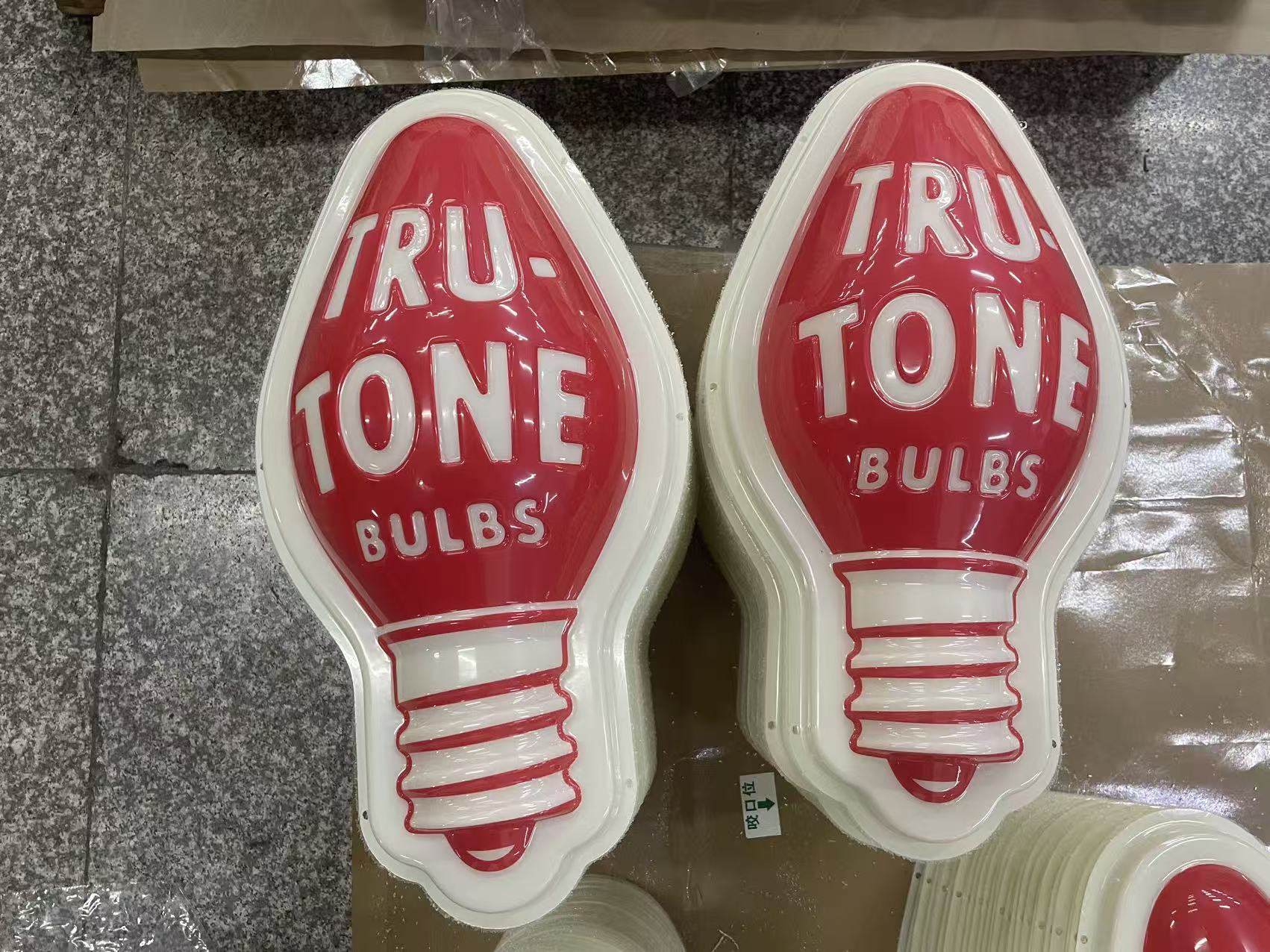
Our client approached us with a unique requirement - they needed a bulb-shaped light box sign featuring their company logo with raised 3D lettering. The challenge wasn't just the unusual shape; it was ensuring that the printed graphics would align properly with the three-dimensional contours created during the vacuum forming2 process.
Distortion printing is a specialized technique used in pre-printed thermoforming3 where artwork is intentionally distorted before printing to compensate for material stretching during the forming process. The process begins with pre-distorted printing - a pre-distorted logo or graphic design is printed onto a plastic sheet, while precision aluminum or copper molds are prepared for the forming process. During the vacuum forming process, the plastic is formed on the mold using vacuum thermoforming. As it transforms into a 3D shape, the pre-distorted image appears normal and well-aligned, creating vivid and engaging graphic effects.
Engineering Process: Managing Pre-Printed Thermoforming Calculations
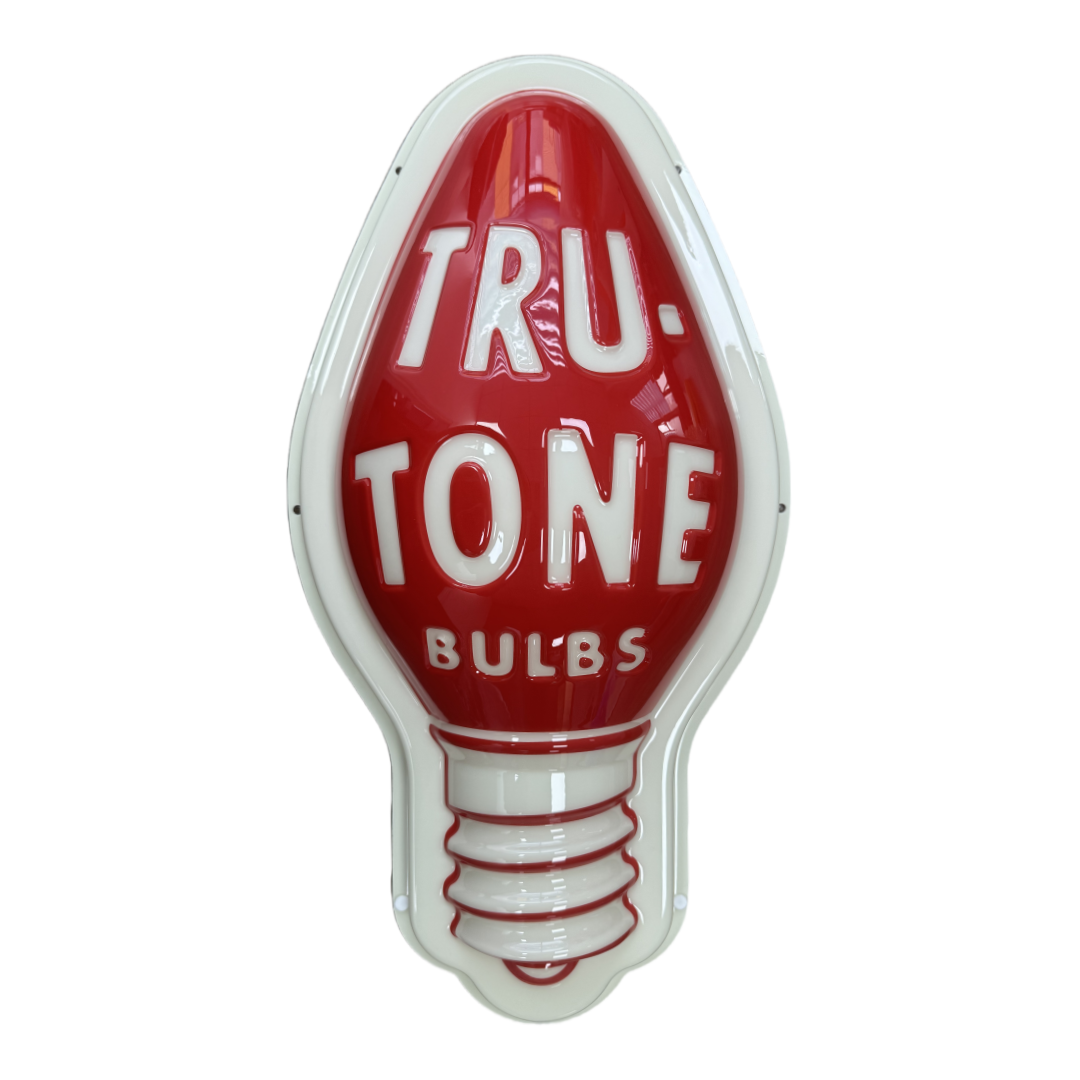
When the client provided their bulb design artwork, our engineering team began calculating stretch ratios for successful distortion printing4 vacuum forming2. Our lead engineer, with nearly 20 years of experience in precision vacuum forming, analyzed the bulb's dimensions, curvature, and PETG material properties.
Each section would stretch differently during the vacuum forming process - curved areas experience more distortion than flat sections, and the depth of 3D letters affects surrounding graphic alignment. The process involves creating a mathematical model of deformation, then applying inverse distortion to the original artwork. When printed on flat PETG sheet, graphics appear deliberately warped and disproportioned. However, once the thermoforming process transforms the flat material into the three-dimensional bulb shape, the distorted graphics align well with the raised lettering.
Proven Plastic Solutions: From Complex Geometries to Quality Results
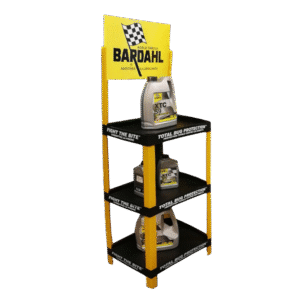
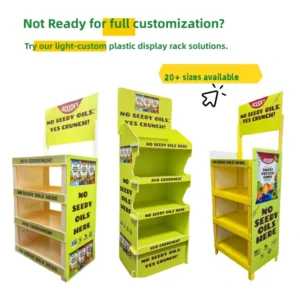
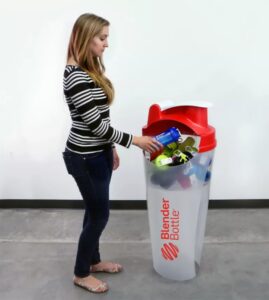
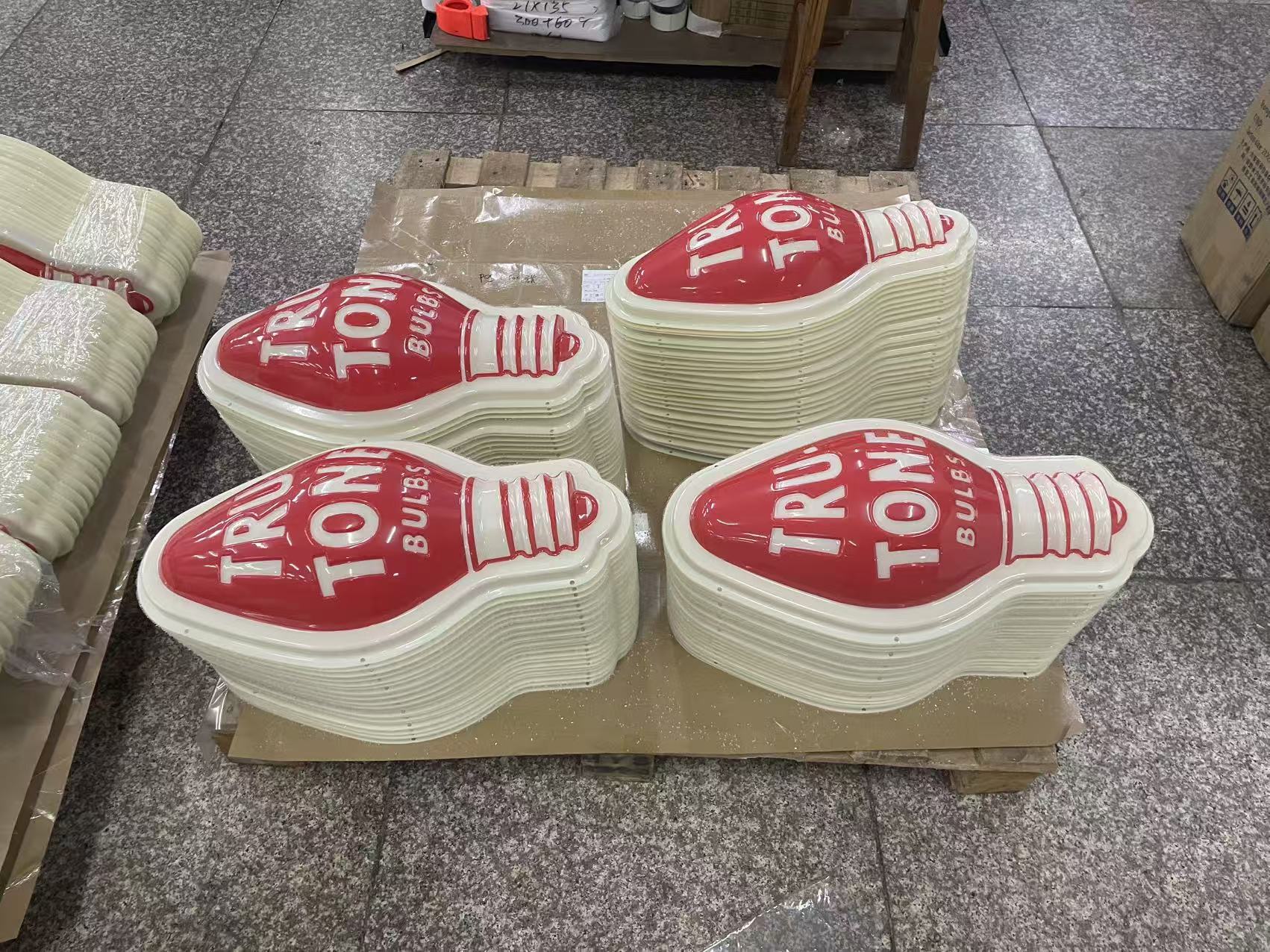
This bulb-shaped signage project represents our expertise in large-scale vacuum forming5 and complex vacuum formed displays. Our experience spans various challenging geometries: oval-shaped display stands, bottle-shaped beverage displays, intricate light box signage, and volcano-shaped fixtures - each requiring careful distortion printing calculations.
After the vacuum forming process transforms the material to final shape, the product is removed from the mold and edges are trimmed to achieve the finished result. The American client's bulb signage was delivered with good alignment between raised logo letters and printed graphics, creating a professional display that met their visual merchandising requirements.
What sets our plastic solutions apart is combining engineering calculations with practical experience. We've successfully completed projects that other manufacturers couldn't deliver, demonstrating our knowledge of pre-printed thermoforming3 techniques that transform challenging design concepts into functional commercial products.
Discover the latest innovations in plastic manufacturing that can improve your projects. ↩
Explore this link to understand the vacuum forming process and its applications in creating unique signage. ↩
Find out how pre-printed thermoforming can create stunning visual effects in your designs. ↩
Learn about distortion printing and how it enhances the visual quality of thermoformed products. ↩
Explore the diverse applications of large-scale vacuum forming in various industries. ↩